
PALS Residents’ Voices Were Heard in Our Efforts to Reverse Medicaid Cuts
A message from Elizabeth Davis, Executive Director of The Bright Side Family
Advocacy has been part of the work we do at The Bright Side Family since our founding in 1990.
Many of our programs serve vulnerable older residents with complicated needs. The health and financial challenges that they and their caregivers experience afford them little time or ability to advocate for themselves when a program or service they rely upon is cut or underfunded. That’s why we consider it a part of our mission to give voice to their struggles.
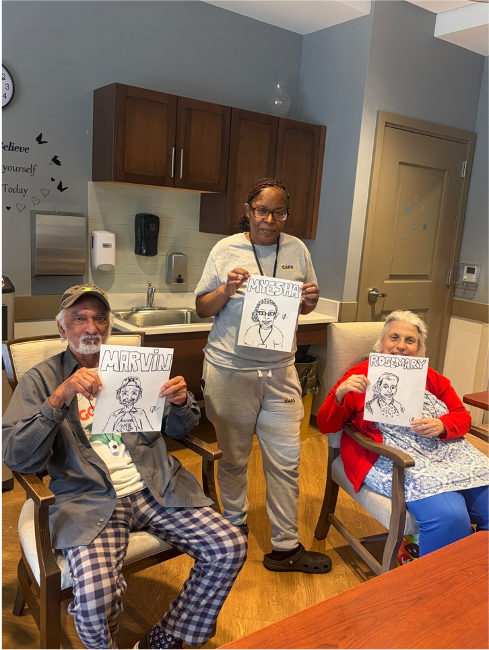
At times, however, it can be important for state policymakers and budgeting officials to see and hear from the people affected by their decisions. That’s why we spent part of our summer compiling video testimonies from several of the Westwood House senior housing tenants served by our PALS (Portable Assisted Living Services) program.
The state budget that took effect on July 1 cut the Medicaid daily reimbursement rate for our PALS program and the handful of other Assisted Living Programs (ALPs) across the state. This cut came as a shock for two reasons. First, the previous reimbursement rate didn’t fully cover the cost of providing care to PALS clients, meaning we have had to continually seek grant funding and donations to break even. Second, our program and others like it save the state money.
.
ALPs primarily serve low-income seniors and those who qualify for Medicaid. This is a population without the means to pay privately for home health aide services, nor can they afford the exorbitant cost of most assisted living residences in the region. The clients we serve need assistance with basic activities of daily living, such as bathing, dressing, making meals and managing their medications, but they are still capable of living independently.
Without the support of our on-site nurses, aides and social work staff, many of our PALS clients would have to go without care – putting their health and safety in jeopardy – or they would have to move into a nursing home despite not needing round-the-clock care.
A premature nursing home admission would cost the state far more money in the long run. The roughly 700 Medicaid beneficiaries enrolled in an assisted living program throughout New Jersey collectively save the state about $48 million annually, compared to what their care would cost in a skilled nursing facility.
This reimbursement cut - a mere sliver of the state’s Medicaid budget – will have an outsize impact on our PALS program. Our organization and other members of the New Jersey Assisted Living Program Provider Coalition recently met with representatives of Governor Mikie Sherrill’s administration to explain the urgent need for the state to restore the previous reimbursement rate.
We shared a petition that our PALS clients and family caregivers signed, asking the State to restore and expand ALP funding. And we shared a private viewing link with the recorded videos of clients and family members who shared their personal stories of how crucially needed the services were.
One of our clients said the program “had saved his life several times,” and that, without it, he would have to move into a nursing home and “I don’t need that right now.”
We remain hopeful that seeing our clients and hearing their individual stories will bring about a change, and as always, we remain grateful for our many donors, volunteers and supporters. We couldn’t sustain this work without you.
Comments